How to Become a Volunteer Firefighter: Steps and Pay
 By
·
3 minute read
To become a volunteer firefighter, contact your local fire department, fill out its application, pass a background check and a physical, and complete basic firefighter training, which departments usually provide at no cost. Most volunteers earn no salary, but many departments pay small per-call stipends, and federal and state tax breaks add a little more.
Here is how the process works, how long the training takes, and what volunteers can expect to be paid.
Volunteers staff most of America's fire departments
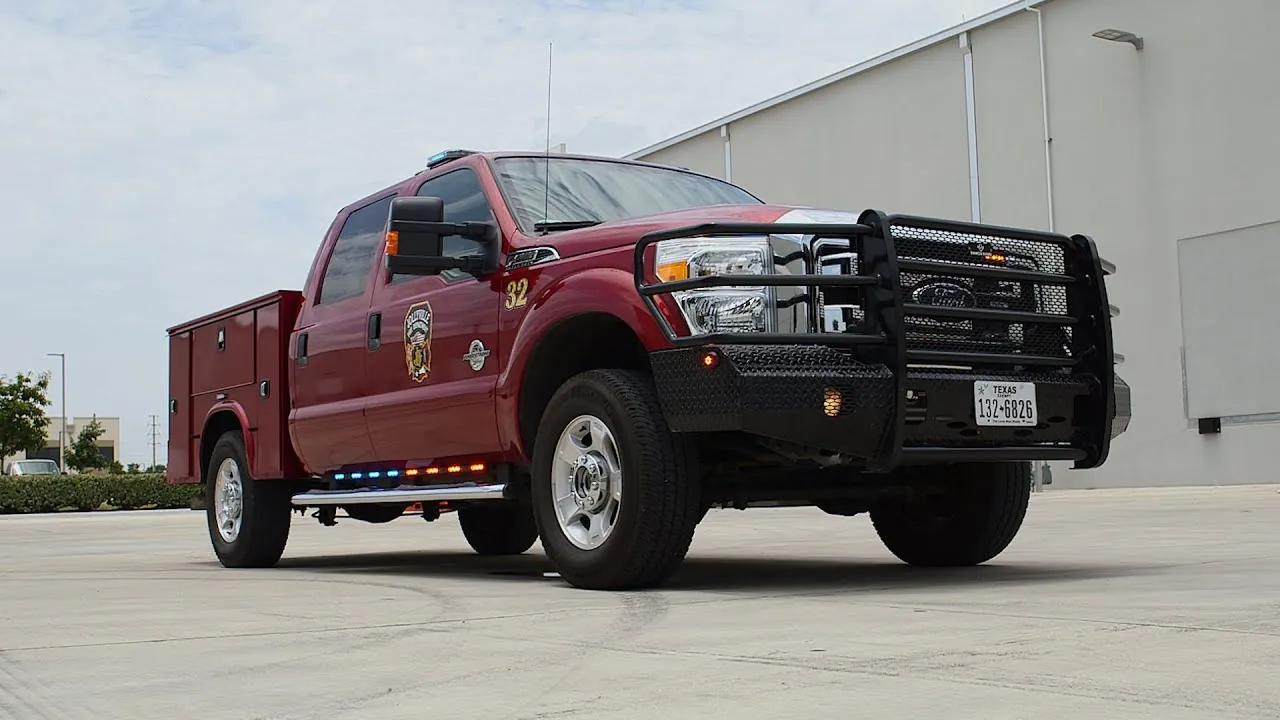
According to the National Volunteer Fire Council's 2026 fact sheet, 635,100 of the country's estimated 1,018,100 firefighters are volunteers, 62%. Of 29,452 fire departments, 18,873 are all volunteer and another 5,335 are mostly volunteer.
Those departments need people. The NVFC says the number of volunteer firefighters reached a low in 2023, while call volume has more than tripled in 40 years, driven largely by medical calls.
Five steps to join a volunteer fire department
-
1. Find your department
Enter your ZIP code at the NVFC's Make Me A Firefighter site, or call the station nearest you and ask how they recruit.
-
2. Apply and interview
Expect a written application and, at many departments, an interview with the officers.
-
3. Pass the checks
Expect a background check, a physical evaluation and proof that you live or work within the department's area.
-
4. Complete basic training
Firefighter I and hazardous-materials courses, usually paid for by the department.
-
5. Start answering calls
When new members start responding, and in what role, is up to each department.
Each department sets its own requirements
There is no national rule. The NVFC's recruitment FAQ says the minimum age "typically ranges anywhere from 16-21" and lists what most departments ask for:
- A valid driver's license
- A background check
- A physical evaluation
- Proof of residency within the department's boundaries
Some states write the minimums into rule. Kentucky's volunteer firefighter regulation, for example, requires members to be 18 or older with no felony conviction. Many departments also run junior programs for teenagers, with ages set by local and state rules.
Training starts with Firefighter I
Most departments train new volunteers to the national Firefighter I standard. That standard was NFPA 1001; the NFPA has since folded it into a single firefighter qualifications standard, NFPA 1010, and state academies such as the Alabama Fire College are moving their courses over.
| State | What new volunteers train for |
|---|---|
| Alabama | 160 hours of approved training within 24 months is the minimum for state certification |
| Vermont | Firefighter I runs about 184 hours |
| North Carolina | Hazmat awareness takes 15 to 18 hours; hazmat operations, 40 to 48 |
The training usually costs you nothing: the NVFC says departments "typically provide or arrange" all required training at no cost to the volunteer. Many volunteers also train as EMTs: the NVFC says the rise in medical calls is a large part of why call volume has tripled.
Plan on a year or more. Fairfax County, Va., says a new volunteer can become a fully qualified firefighter in 12 months, but 15 to 18 months is more realistic; EMS-only volunteers can be operational in under six months. After that, the NVFC notes there is no national average for hours: it depends on your department's calls, drills, fundraising and station work.
Do volunteer firefighters get paid?
Not a salary, but often something. The NVFC's FAQ lists per-call pay, tuition help and insurance among the benefits some departments and states offer. Federal rules set the limits:
- Stipends stay small. A volunteer can be paid a "nominal fee." The Labor Department's 2006 opinion letter treats a fee as nominal when it is no more than 20% of what the department would pay a full-time firefighter for the same work.
- Up to $50 a month is tax-free. IRS Publication 525 lets volunteer firefighters exclude qualified payments of up to $50 for each month they serve.
- Length-of-service awards build up. Some departments run a LOSAP, a retirement-style award for years served. For 2026 the IRS caps what can accrue at $8,000 a year.
- Some states add a tax credit. New York's is $200, or $400 for a married couple filing jointly. A law signed October 17, 2026 raises it to $800 and $1,600 starting with tax year 2027.
Many volunteers respond in their own vehicles
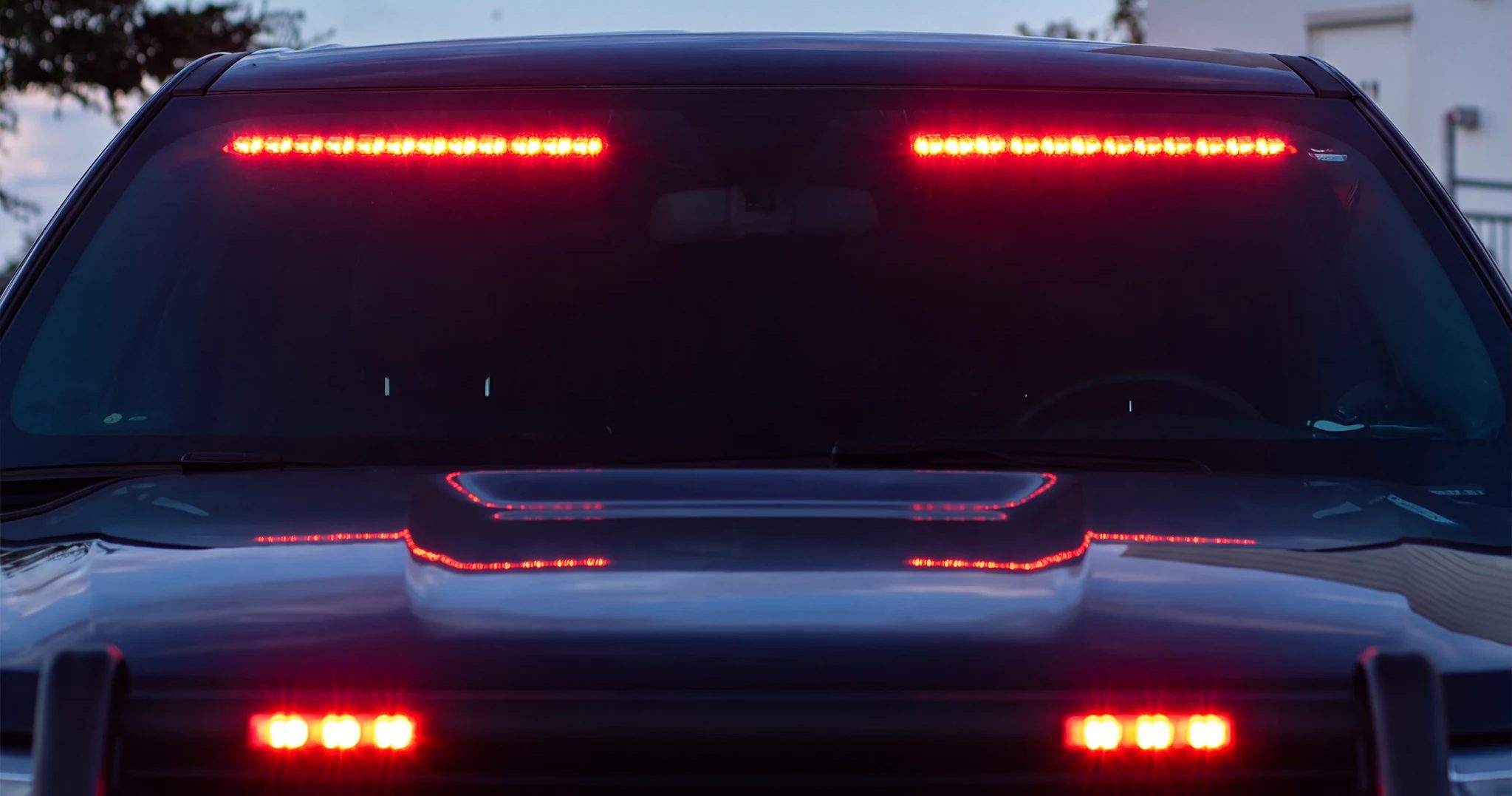
Once you are on the roster, you will likely drive your own car or truck to the station or the scene. In many states a volunteer may run a warning light on that vehicle, but only in the colors the state allows and often only with the fire chief's authorization. Our guide to volunteer firefighter lights covers the rules in all 50 states, and visor lights vs dash lights explains which kind to run.